It's common to get three roofing quotes for one house and find them thousands of dollars apart. Sometimes one contractor is overcharging. More often, the quotes simply describe different roofs.
Comparing roofing quotes means checking that each one prices the same scope: full tear-off, the same shingle line, synthetic underlayment, ice and water shield, new flashing, ventilation, a per-sheet decking price and a written warranty. A cheaper quote usually leaves one of those out.
Line them up side by side and the difference usually explains itself. Ask each contractor for a written quote, not a number over the phone, and make sure each one followed a real inspection that included the attic.
Which items should every roofing quote list?
Every roofing quote should list eight items in writing, starting with tear-off, the named shingle line, underlayment and ice and water shield. The rest are drip edge, step and chimney flashing, ventilation and the decking price per sheet, plus cleanup and warranty terms.
| Line item | What to look for |
|---|---|
| Tear-off | All existing layers removed to the deck |
| Shingles | Brand and product line named, not just "architectural" |
| Underlayment | Synthetic over the full roof |
| Ice and water shield | Eaves and every valley, with distances |
| Flashing | New step, chimney and kick-out flashing |
| Ventilation | Ridge vent and eave intake |
| Decking | Price per sheet if rot is found |
| Warranty | Workmanship term in writing |
Why are some quotes so much cheaper?
Some roofing quotes are much cheaper because they skip work that costs money but stays hidden: reusing old flashing, laying shingles over an existing layer, leaving out ventilation, or excluding decking so the price climbs after tear-off.
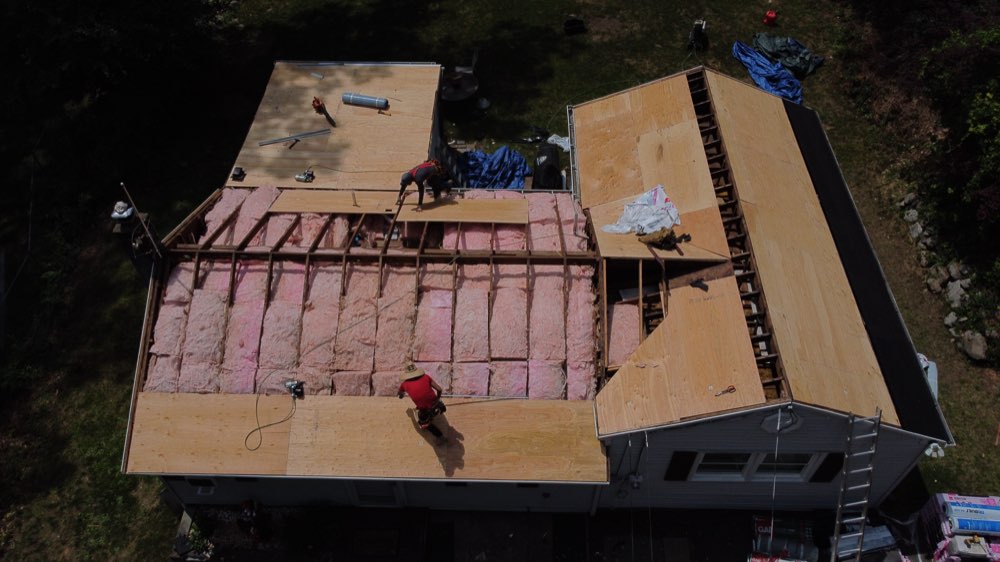
The decking line is the one to watch. A quote with no per-sheet price may look low, then grow once the old roof is off and soft boards show up. A quote that names the rate up front lets you see the worst case before you sign.
How do you check the contractor?
Checking a New Jersey roofing contractor takes two steps: look up their Home Improvement Contractor registration on the state Division of Consumer Affairs website, and ask for a current certificate of insurance showing liability and workers' compensation.
Registered contractors have to show their registration number on contracts. Ask who will actually be on your roof, whether the company does its own installs, and how warranty claims are handled.
How should warranties be compared?
Roofing warranties should be compared in two parts: the shingle maker's warranty, which covers material defects, and the contractor's workmanship warranty, which covers installation. Installation errors cause most early leaks, so the workmanship term and how claims work matter most.
A long workmanship warranty is only as good as the company behind it. Ask how long they've been in business, how you'd file a claim and whether the warranty transfers if you sell. A clear five-year term from a contractor who answers the phone beats a vague "lifetime" promise. Some manufacturers also offer enhanced system warranties that cover underlayment and accessories when the installer is approved by them; if a quote mentions one, ask for the exact name and keep the paperwork with your house documents.
Does the cheapest quote ever make sense?
The cheapest roofing quote makes sense when it covers the same scope as the others, line for line, from a registered and insured contractor. Then it's simply a better price.
If it doesn't, ask the contractor to add the missing items and re-price. The gap often closes quickly. When you want a quote that already spells everything out, book a free inspection, or start with the roof price calculator.
Need help with this in Livingston?
We'll take a look and give you a free written quote. Learn more about roof replacement in Livingston.